You are on our Singapore website. Please select your region to see content specific for your location
- Shop
- Style
-
Designers
- Kengo Kuma NEW
- VIMAR 1991
- Bodour Al Qasimi
- Princess Pea
- Gurjeet Singh
- Richard Hutten
- Peter D'ascoli
- LORENZO VITTURI
- Tatiana de Nicolay
-
AMDL Circle - Founded by
Michele De Lucchi - Keith Pillow
- Kunaal Kyhaan Seolekar
- Kazumi Yoshida
- JOCELYN BURTON
- PAVITRA RAJARAM
- ASHIESH SHAH
- VINITA CHAITANYA
- KAVI
- MATTEO CIBIC
- TANIA AND SANDEEP KHOSLA
- SHANTANU GARG
- ABIN CHAUDHURI
- HIREN PATEL
- GAURI KHAN
- Explore All Designers
- Stories
- CUSTOM
- Blog
- Projects
- TRADE
- BOOK AN APPOINTMENT
Faces Collection

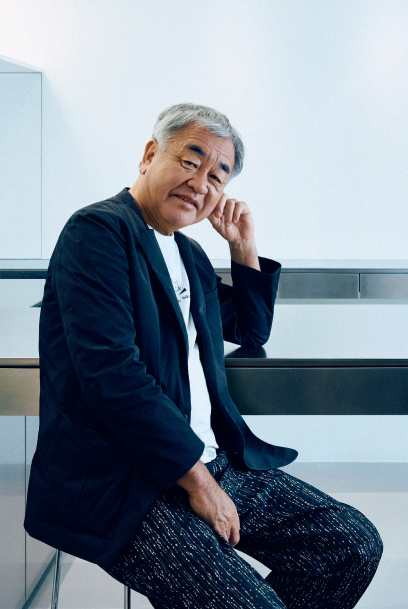
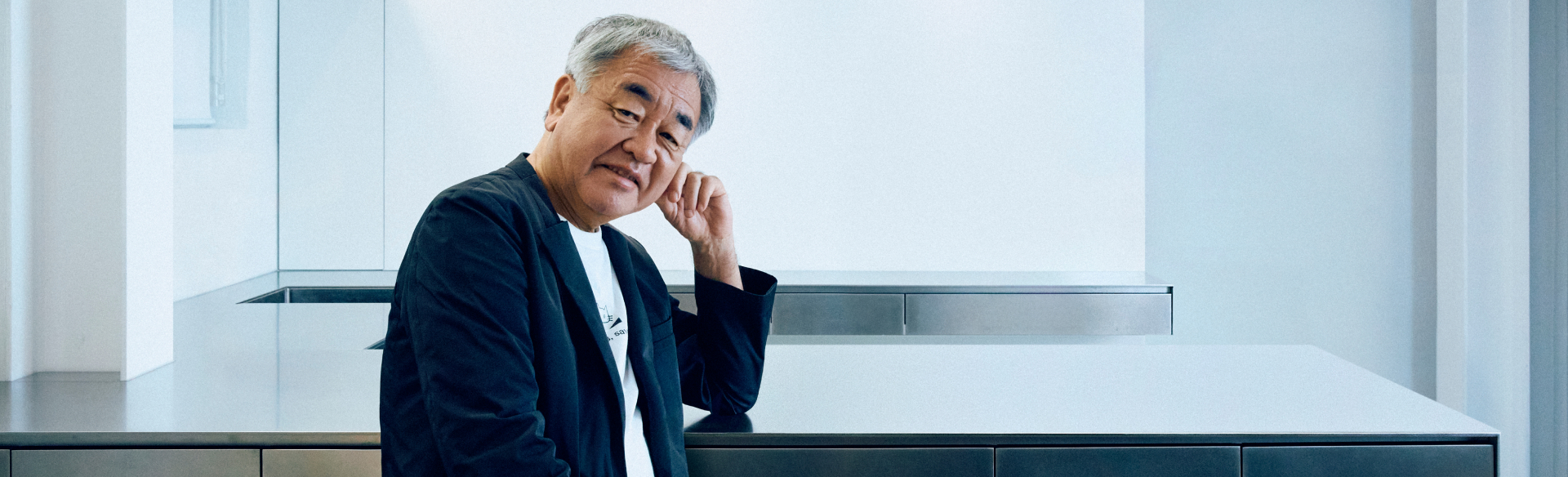
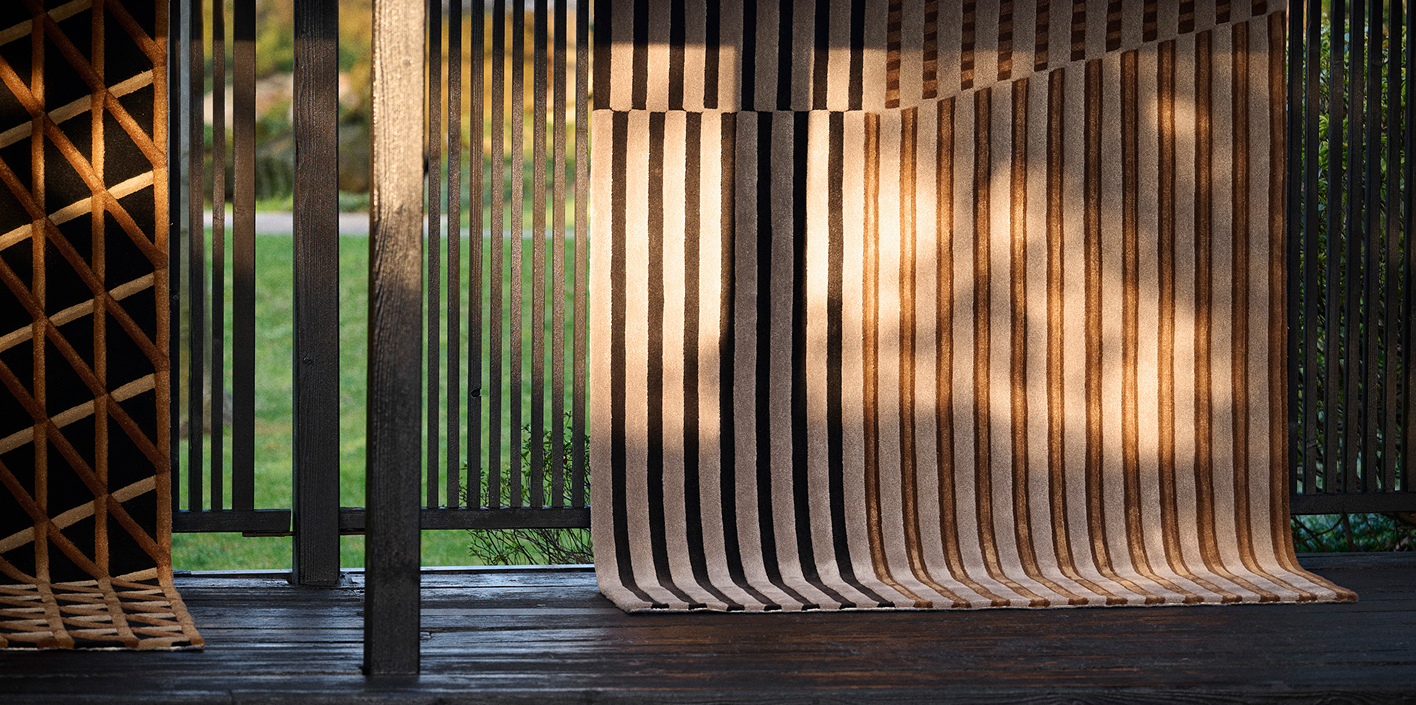
A rug collection inspired by the architecture of Kengo Kuma This rug collection explores the subtle “FACES” of Kengo Kuma’s architecture, focusing on its fragments, textures, and quiet shifts that emerge through light, material, and nature. These architectural expressions, often perceived as fleeting and atmospheric, are reinterpreted through Jaipur Rugs’ refined handcraft and material sensibility. What emerges is not a literal translation, but a tactile memory of architecture that feels soft, warm, and deeply embedded in everyday living spaces.
Read More
Discover From the Faces Collection
Sukima
Bokashi
Chirashi
Kigumi
Kasane
Sukima
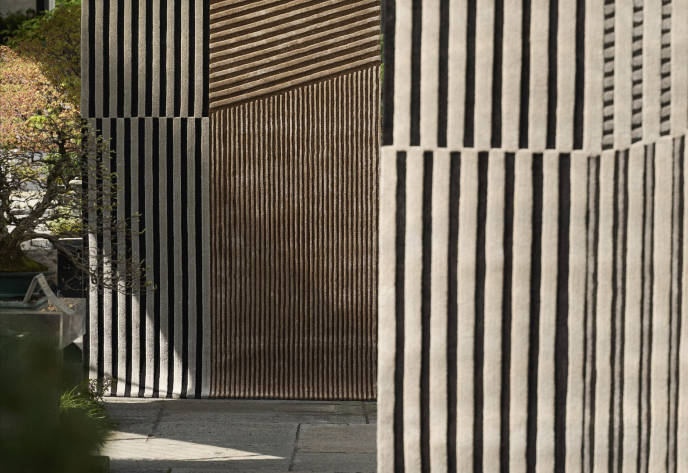
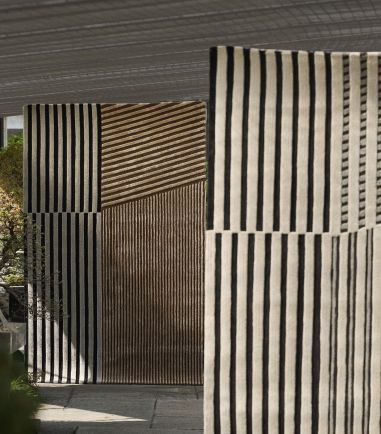
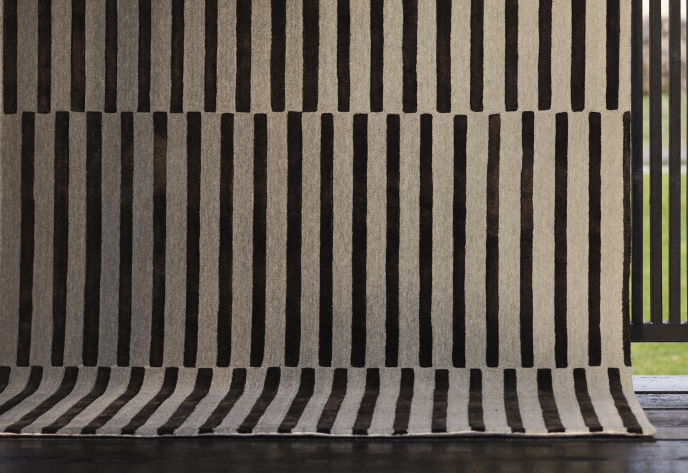
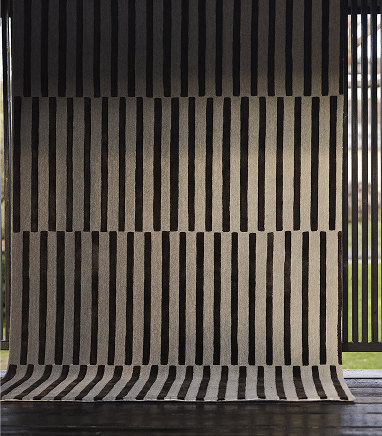
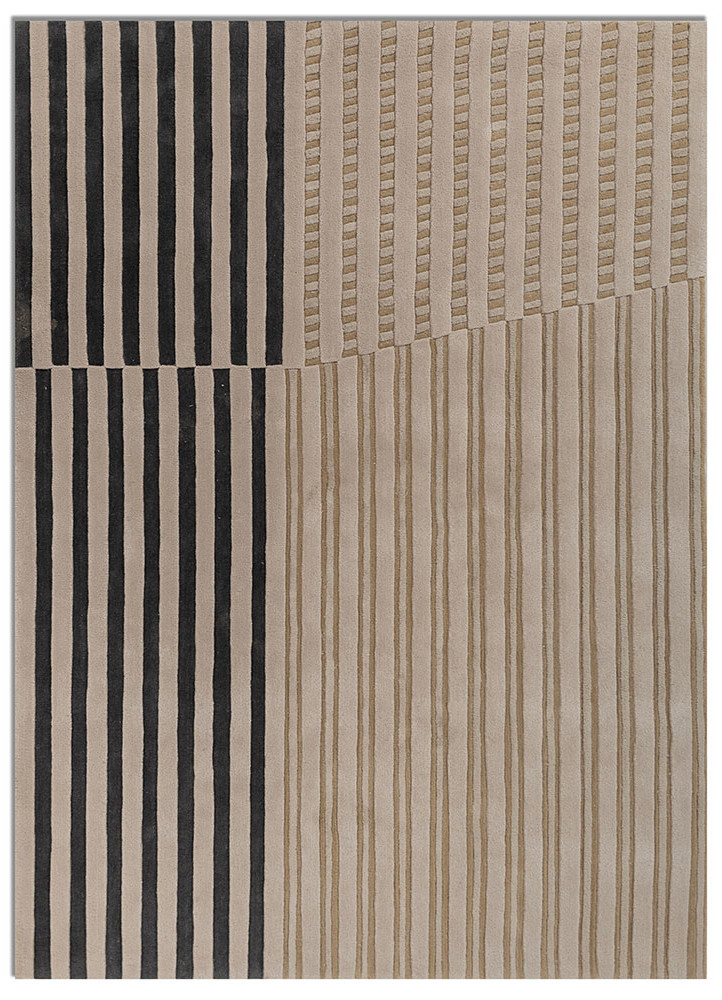
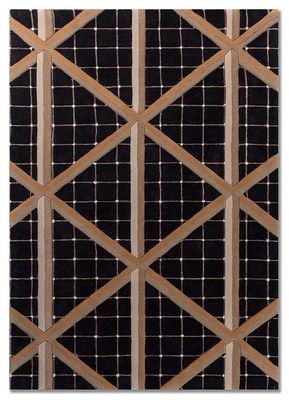
SUKIMA means the subtle intervals or gaps that allow space, light, and air to quietly exist between forms.
At the Suntory Museum of Art in Tokyo, light is never simply admitted. It is filtered, guided, and softened through layers of structure. This rug draws from Musō-gōshi, a traditional Japanese lattice whose vertical rhythm creates subtle intervals of openness, known as sukima. Handcrafted by Jaipur Rugs, its fine linear composition allows light and shadow to gently dissolve into the surface. The result is a textile that quietly shapes atmosphere rather than asserting form
SUKIMA means the subtle intervals or gaps that allow space, light, and air to quietly exist between forms.
At the Suntory Museum of Art in Tokyo, light is never simply admitted. It is filtered, guided, and softened through layers of structure. This rug draws from Musō-gōshi, a traditional Japanese lattice whose vertical rhythm creates subtle intervals of openness, known as sukima. Handcrafted by Jaipur Rugs, its fine linear composition allows light and shadow to gently dissolve into the surface. The result is a textile that quietly shapes atmosphere rather than asserting form
Read More
Bokashi
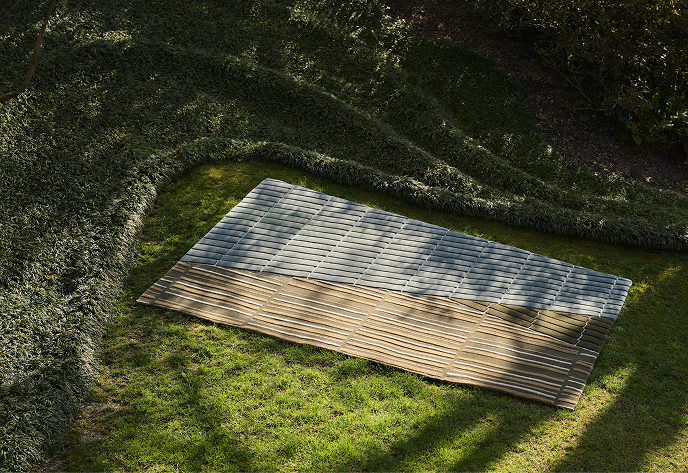
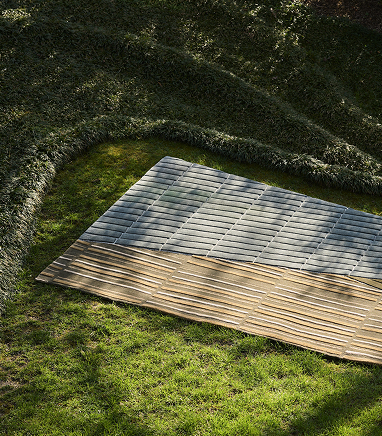
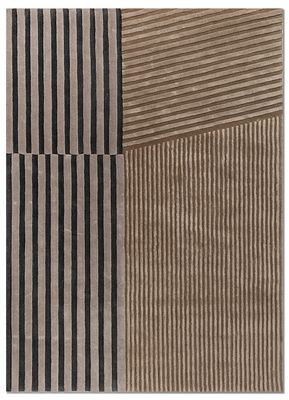
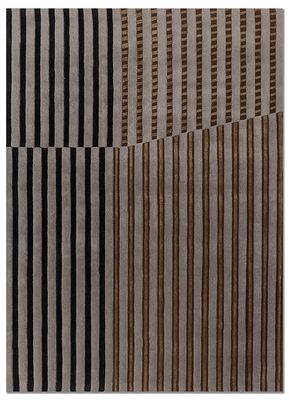
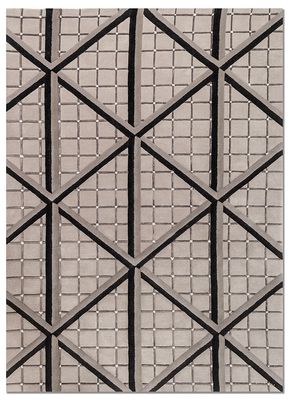
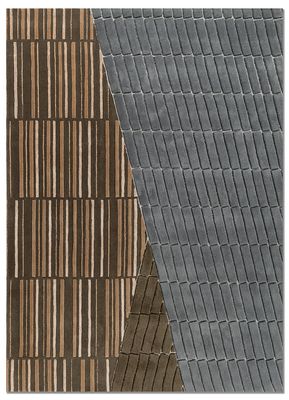
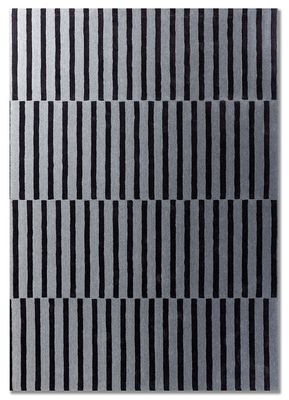
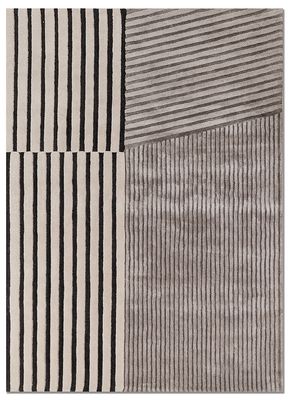
BOKASHI means a traditional Japanese technique that creates soft gradations and blurred transitions between colors, edges, or materials.
At the Suntory Museum of Art in Tokyo, light is never simply admitted. It is filtered, guided, and softened through layers of structure. This rug draws from Musō-gōshi, a traditional Japanese lattice whose vertical rhythm creates subtle intervals of openness, known as Bokashi. Handcrafted by Jaipur Rugs, its fine linear composition allows light and shadow to gently dissolve into the surface. The result is a textile that quietly shapes atmosphere rather than asserting form.
BOKASHI means a traditional Japanese technique that creates soft gradations and blurred transitions between colors, edges, or materials.
At the Suntory Museum of Art in Tokyo, light is never simply admitted. It is filtered, guided, and softened through layers of structure. This rug draws from Musō-gōshi, a traditional Japanese lattice whose vertical rhythm creates subtle intervals of openness, known as Bokashi. Handcrafted by Jaipur Rugs, its fine linear composition allows light and shadow to gently dissolve into the surface. The result is a textile that quietly shapes atmosphere rather than asserting form.
Read More
Chirashi
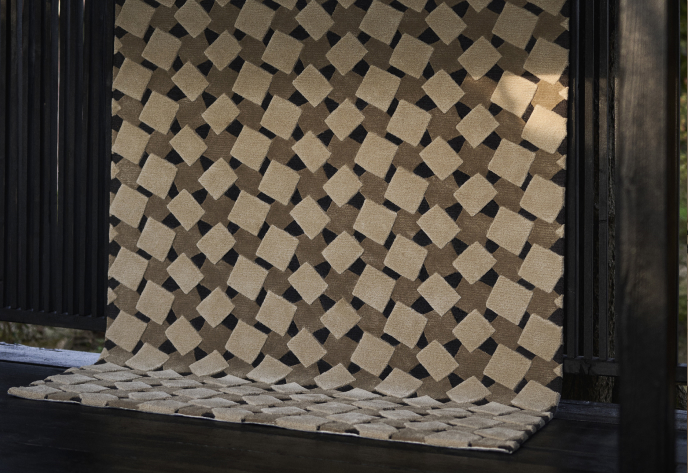
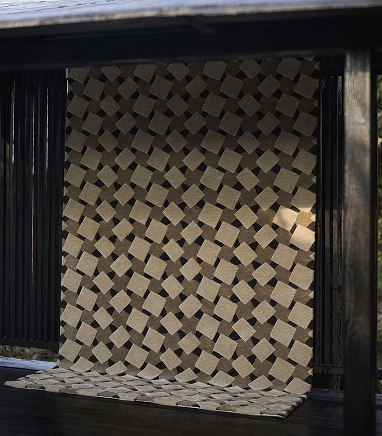
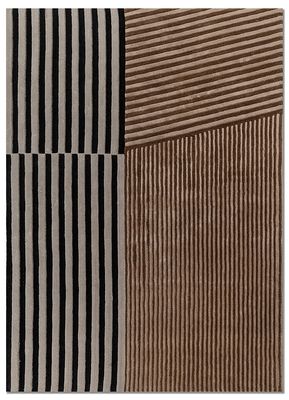
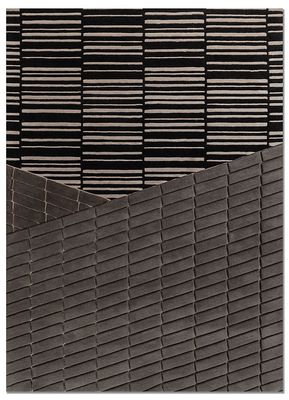
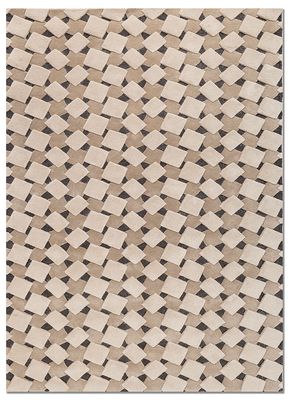
CHIRASHI means the intentional scattering of elements to create rhythm, balance, and a sense of movement across a surface.
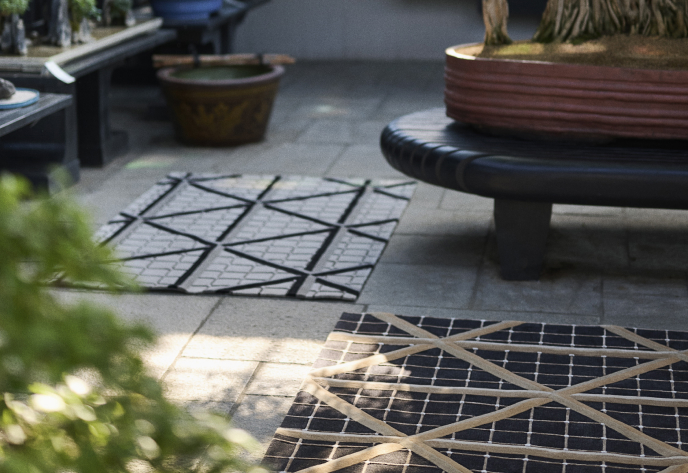
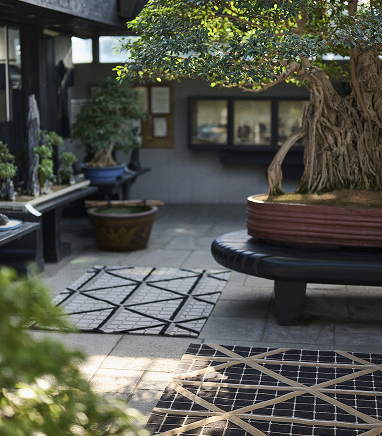
In the Museum of Kanayama Castle Ruin and the Kanayama Community Center in Gunma, stone appears almost fluid, as if shaped by time rather than force. The architecture’s dynamic stone patterns retain their vivid presence when translated into the language of a rug. Through Jaipur Rugs’ delicate handcraft, the cold and rigid character of stone is reinterpreted as a soft, warm textile. What emerges is a surface where weight and tactility coexist in quiet balance.
CHIRASHI means the intentional scattering of elements to create rhythm, balance, and a sense of movement across a surface.
In the Museum of Kanayama Castle Ruin and the Kanayama Community Center in Gunma, stone appears almost fluid, as if shaped by time rather than force. The architecture’s dynamic stone patterns retain their vivid presence when translated into the language of a rug. Through Jaipur Rugs’ delicate handcraft, the cold and rigid character of stone is reinterpreted as a soft, warm textile. What emerges is a surface where weight and tactility coexist in quiet balance.
Read More
Kigumi
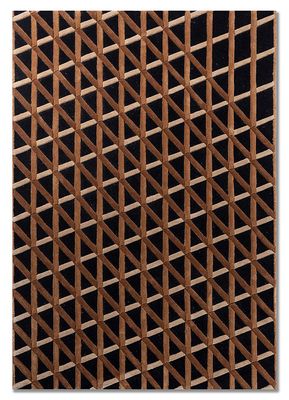
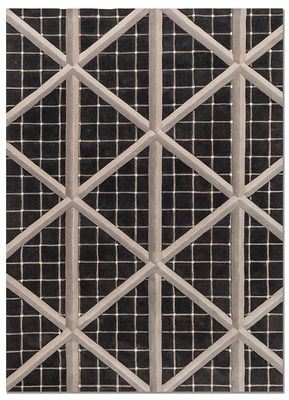
KIGUMI means a traditional Japanese wooden construction method where interlocking members form structure without the use of nails.
The GC Prostho Museum Research Center in Aichi explores structure as something that changes with viewpoint and movement. Its Chidori wooden joinery system forms a grid that subtly shifts in depth and rhythm, never appearing the same from a single angle. Crafted using Jaipur Rugs’ advanced weaving techniques, this rug captures the layered warmth of traditional wood construction. The textile translates structural logic into a tactile, contemporary expression.
KIGUMI means a traditional Japanese wooden construction method where interlocking members form structure without the use of nails.
The GC Prostho Museum Research Center in Aichi explores structure as something that changes with viewpoint and movement. Its Chidori wooden joinery system forms a grid that subtly shifts in depth and rhythm, never appearing the same from a single angle. Crafted using Jaipur Rugs’ advanced weaving techniques, this rug captures the layered warmth of traditional wood construction. The textile translates structural logic into a tactile, contemporary expression.
Read More
Kasane
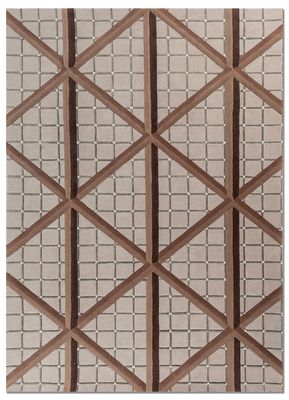
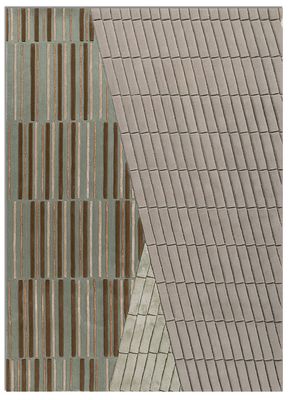
KASANE means the concept of layering that creates depth and richness through the overlapping of materials, colors, or forms.
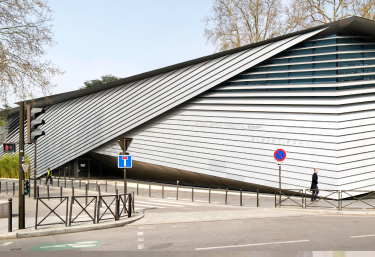
At the Albert Kahn Museum in Boulogne-Billancourt, architecture is defined by overlapping layers that mediate between nature and interior space. Rather than acting as a solid boundary, the façade functions as a gentle screen, allowing light and material to overlap. Through nuanced color gradations and refined patterning, Jaipur Rugs reinterprets this idea of layering into textile form. The rug introduces a quiet, nature-inspired palette into contemporary living spaces.
KASANE means the concept of layering that creates depth and richness through the overlapping of materials, colors, or forms.
At the Albert Kahn Museum in Boulogne-Billancourt, architecture is defined by overlapping layers that mediate between nature and interior space. Rather than acting as a solid boundary, the façade functions as a gentle screen, allowing light and material to overlap. Through nuanced color gradations and refined patterning, Jaipur Rugs reinterprets this idea of layering into textile form. The rug introduces a quiet, nature-inspired palette into contemporary living spaces.
Read More
Shop Chirashi
Shop Bokashi
Thank you
We have received your inquiry. You will get a response from us within 1 business day.